

Come si può testare la resistenza e le prestazioni isolanti di una scatola per pizza?
2026-02-04 13:00
Related News
Per saperne di più >-
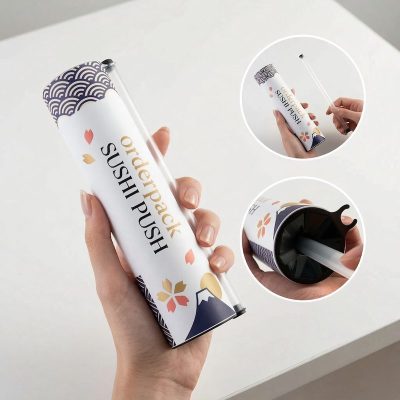
![In che modo il confezionamento del sushi con tubo push-up migliora la freschezza?]()
In che modo il confezionamento del sushi con tubo push-up migliora la freschezza?
La freschezza è una delle qualità più importanti che i consumatori si aspettano dal sushi preparato. Dopo la preparazione, l'esposizione all'umidità, al grasso, alla manipolazione e all'ambiente circostante può comprometterne l'aspetto e l'esperienza gustativa. Un tubo per sushi con chiusura a pressione, progettato con cura, offre un ambiente di confezionamento controllato che contribuisce a proteggere il prodotto durante la conservazione, il trasporto e il consumo.
-
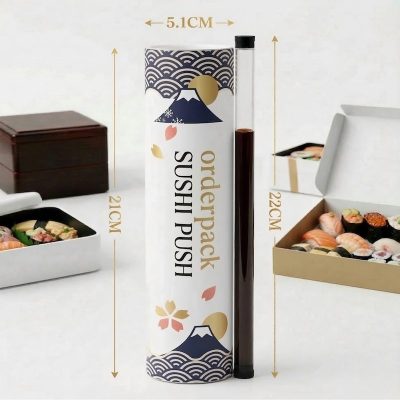
![Perché scegliere il confezionamento all'ingrosso del sushi con tubo push-up?]()
Perché scegliere il confezionamento all'ingrosso del sushi con tubo push-up?
Con la continua evoluzione del sushi da asporto e dei cibi pronti, il packaging deve fare molto di più che semplicemente contenere un prodotto. Ristoranti, rivenditori, aziende di catering e distributori alimentari sono alla ricerca di imballaggi che combinino protezione degli alimenti, praticità, presentazione e facilità d'acquisto. Per queste attività, il packaging all'ingrosso in tubo push-up per sushi offre un formato pratico, progettato in base alle reali esigenze della ristorazione moderna.
-
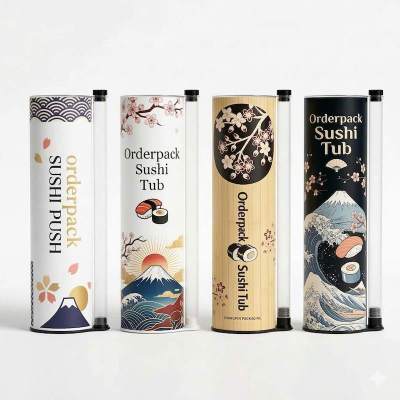
![In che modo l'imballaggio in tubo di carta per sushi contribuisce alla sicurezza alimentare?]()
In che modo l'imballaggio in tubo di carta per sushi contribuisce alla sicurezza alimentare?
Per le applicazioni di asporto e vendita al dettaglio, la combinazione di un tubo di carta per sushi adatto, materiali idonei al contatto con gli alimenti, procedure di manipolazione efficaci e un design pratico può creare una soluzione di imballaggio più affidabile. Poiché i consumatori continuano ad apprezzare sia la praticità che l'igiene, formati di contenitori per sushi in carta ben progettati, come il tubo per sushi roll e il sushi push pop, possono fornire un valido supporto alle moderne attività di sushi.
-
![Certificazioni per imballaggi alimentari: FDA, FSC, CE, BRCGS]()
Certificazioni per imballaggi alimentari: FDA, FSC, CE, BRCGS
FDA, FSC, CE e BRCGS: quattro certificazioni che ogni acquirente di imballaggi alimentari si chiede. ODPACK spiega cosa attesta ciascun certificato, quali mercati lo richiedono e come verificare la documentazione dei fornitori prima di effettuare ordini di imballaggi alimentari all'ingrosso.
-
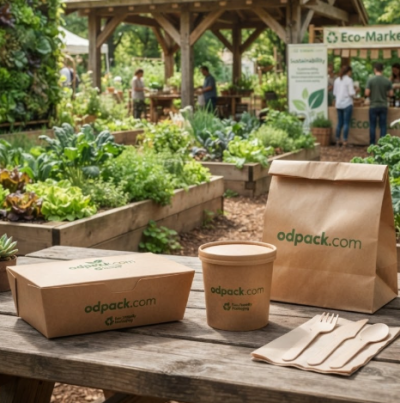
![Compostabile o riciclabile: la scelta giusta per il settore della ristorazione.]()
Compostabile o riciclabile: la scelta giusta per il settore della ristorazione.
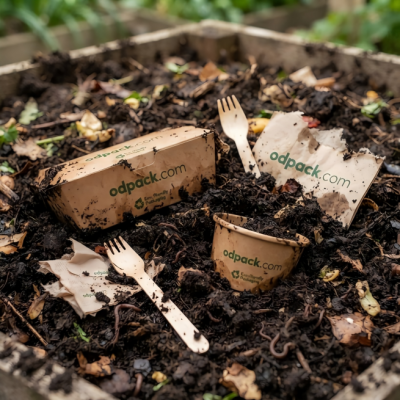
Sia gli imballaggi compostabili che quelli riciclabili si propongono come soluzioni sostenibili, ma ciascuno funziona solo in specifiche condizioni del settore della ristorazione. ODPACK confronta costi, durata, infrastrutture di gestione dei rifiuti e conseguenze a fine vita per aiutare gli acquirenti a scegliere i contenitori per alimenti più adatti a ogni esigenza.
-
![Regolamento UE sulle politiche di protezione dei consumatori (PPWR) in vigore dal 12 agosto: cosa devono fare ora gli importatori]()
Regolamento UE sulle politiche di protezione dei consumatori (PPWR) in vigore dal 12 agosto: cosa devono fare ora gli importatori
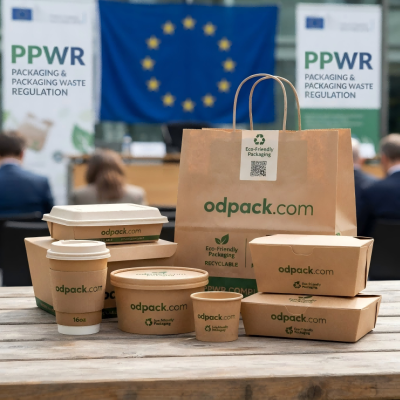
Il Regolamento UE sugli imballaggi e sui rifiuti di imballaggio entrerà pienamente in vigore il 12 agosto 2026, introducendo nuovi limiti per le sostanze PFAS negli imballaggi alimentari. ODPACK spiega cosa devono verificare, documentare e modificare i fornitori e gli importatori asiatici prima di spedire nei mercati europei.
-
![Negoziazione del quantitativo minimo d'ordine (MOQ): 5 tattiche efficaci per gli acquirenti delle catene di distribuzione.]()
Negoziazione del quantitativo minimo d'ordine (MOQ): 5 tattiche efficaci per gli acquirenti delle catene di distribuzione.
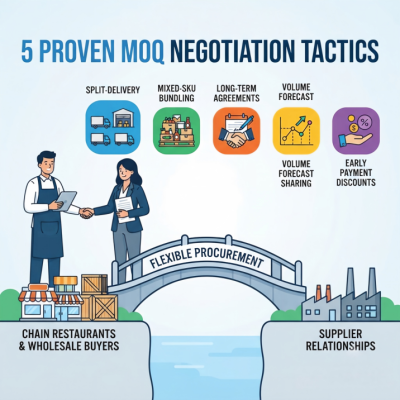
I vincoli relativi alla quantità minima d'ordine limitano la flessibilità di approvvigionamento per le catene di ristoranti e gli acquirenti all'ingrosso. ODPACK presenta cinque tattiche di negoziazione della quantità minima d'ordine collaudate, dalle strutture di consegna frazionata al raggruppamento di SKU misti, che riducono il rischio per unità senza compromettere i rapporti con i fornitori.
-
![Normativa sugli imballaggi in plastica: una tabella di marcia per la conformità dal 2025 al 2027.]()
Normativa sugli imballaggi in plastica: una tabella di marcia per la conformità dal 2025 al 2027.
Dall'UE alla California al Canada, le normative sugli imballaggi in plastica monouso stanno accelerando. ODPACK mappa tutte le principali scadenze di conformità tra il 2025 e il 2027, mostrando quali contenitori per alimenti, ciotole e categorie di imballaggi dovranno subire modifiche obbligatorie ai materiali e quando.